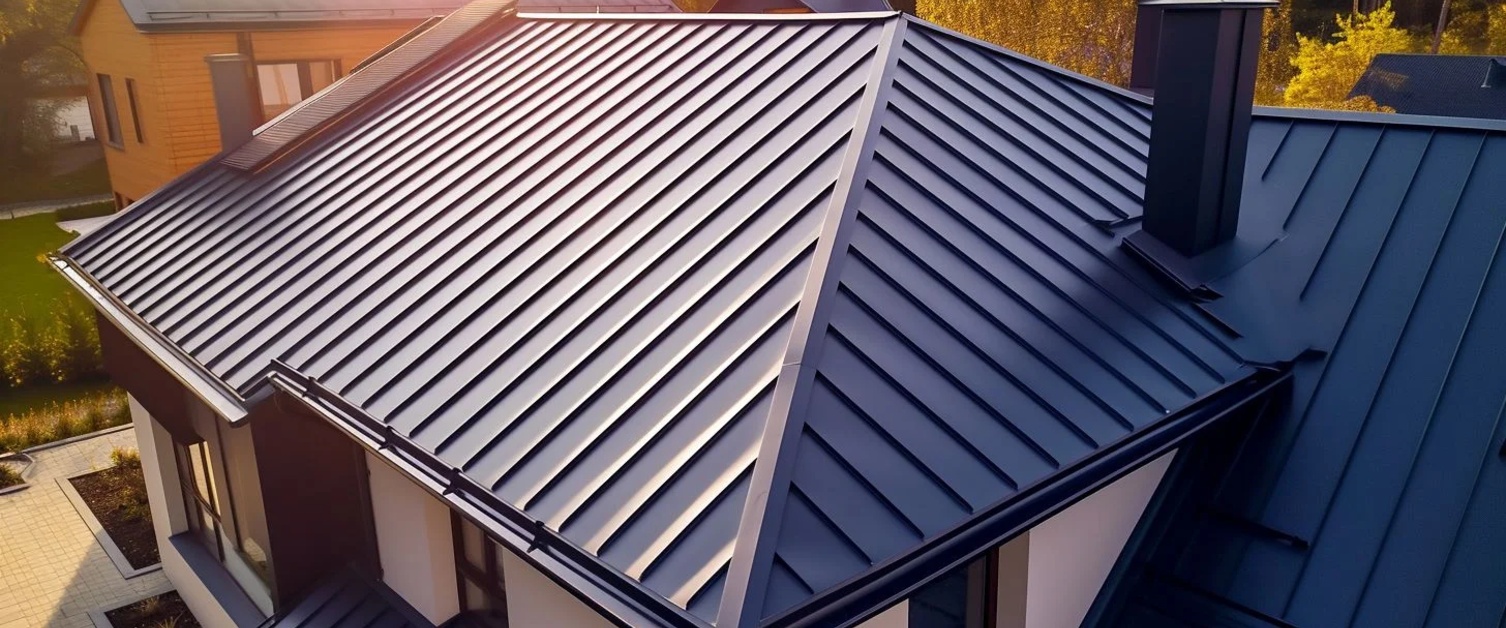
Yes — polyurethane and PMMA liquid membranes are the professional specificationfor occupied plaza decks, podium decks above parking structures, and rooftop terraces. These systems provide the combination of seamless waterproofing, crack-bridging elongation, abrasion resistance under foot traffic, and long service life required for these demanding applications. Sheet membranes are rarely specified for occupied plaza deck waterproofing precisely because their seam technology is not suited to the sustained traffic and movement loads these assemblies experience.
A liquid-applied membrane is a fully engineered, standalone waterproofing system with a specified wet film thickness, fabric reinforcement at details, and a manufacturer system warranty — designed to serve as the primary waterproofing layer. A roof coating is typically a thinner supplemental treatment applied over an existing membrane to add reflectivity, UV protection, or service life extension. Membranes are primary systems; coatings are supplemental treatments. Apex installs both, properly specified for each application.
Yes — silicone liquid-applied membranes are the preferred substrate for commercial rooftop solar arrays. The seamless, durable surface eliminates seam and fastener vulnerabilities near racking hardware. Silicone's long service life (15–20+ years) aligns with PV system warranties, and its zero-maintenance UV stability means no recoat disruption during the solar system's operational life. Many commercial solar developers specifically require silicone liquid membranes beneath rooftop PV installations.
Lifespan varies by chemistry:PMMA systems: 20–25 years; silicone: 15–20+ years; polyurethane: 10–20 years; acrylic: 10–15 years. All systems can be recoated at end of service life to renew performance and warranty without removing the existing membrane — making liquid-applied systems a potentially perpetual waterproofing strategy for structurally sound buildings.
Liquid-applied systems typically cost $3.00–$10.00 per square foot installed, depending on chemistry, required film thickness, substrate condition, and project complexity. Acrylic systems are at the low end; PMMA at the high end. For complex geometry, high-penetration roofs, or critical applications like plaza decks, the seamless performance advantage frequently justifies the cost premium over conventional sheet membrane alternatives — particularly when the labor cost of sheet membrane detailing at complex geometry is factored in.
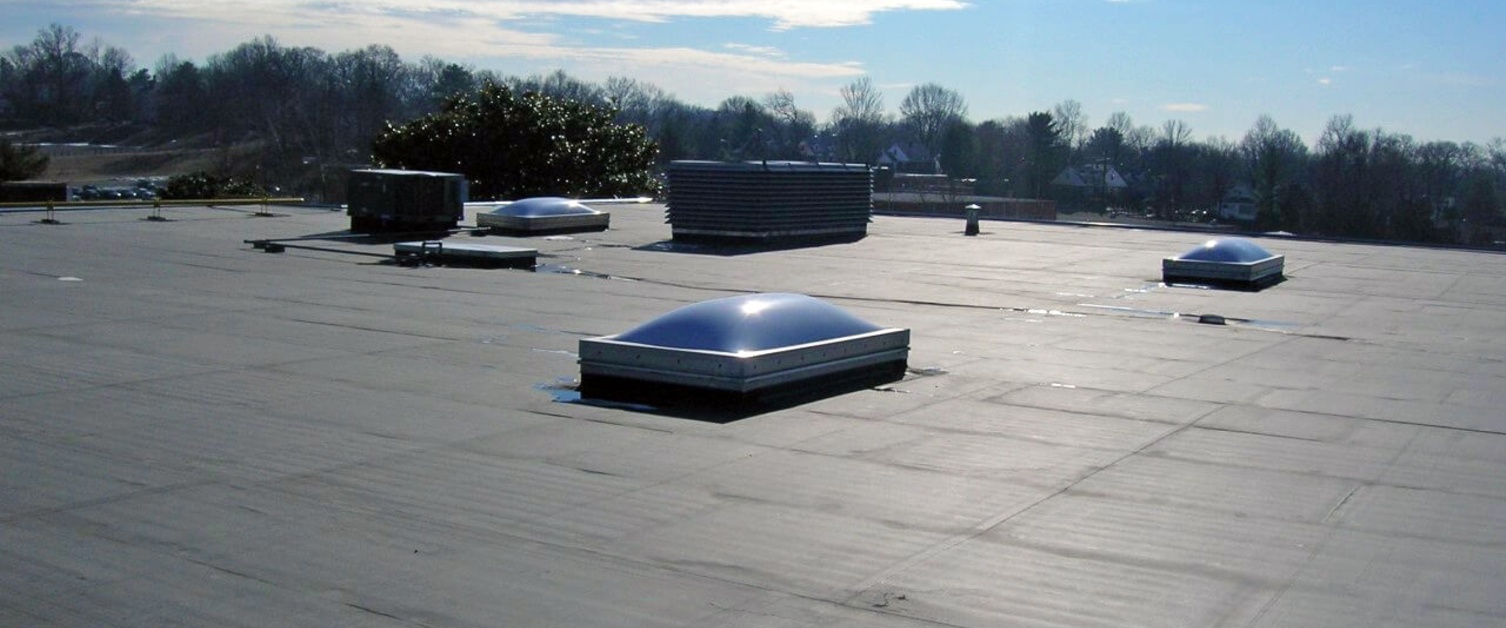
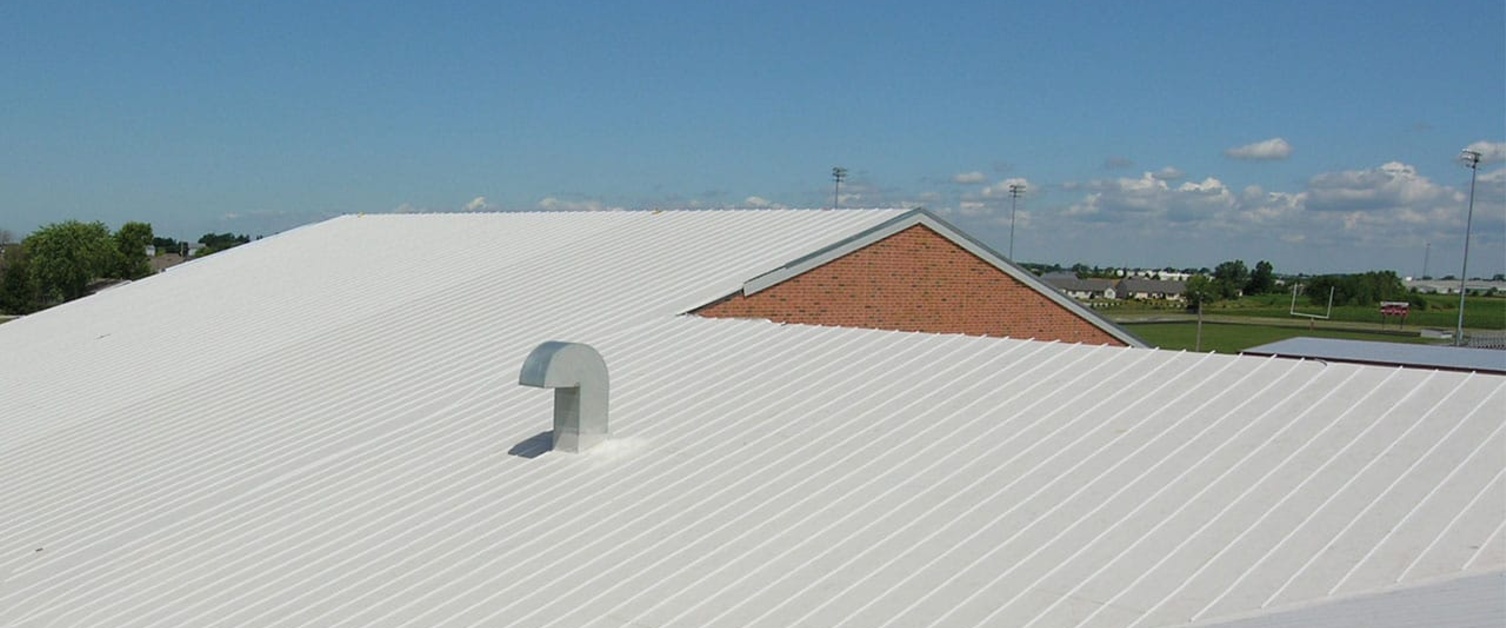
Liquid-applied membranes bond to virtually any sound roofing substrate — including existing TPO, EPDM, PVC, modified bitumen, built-up roofing, concrete decks, metal roofs, spray foam, and wood. This makes them the most substrate-versatile waterproofing option in commercial roofing. The required primer and surface preparation vary by substrate and chemistry — Apex specifies the correct primer system for every combination.
PMMA (Polymethyl Methacrylate) is a rapid-curing, two-component liquid membranethat cures fully in 20–60 minutes at temperatures as low as 14°F. This makes it the only liquid-applied roofing system installable year-round in cold climates — a critical advantage when short weather windows or occupied building schedules limit installation time. PMMA also delivers the longest service life of any liquid chemistry, at 20–25 years, and the highest performance on critical applications like plaza decks and rooftop terraces.
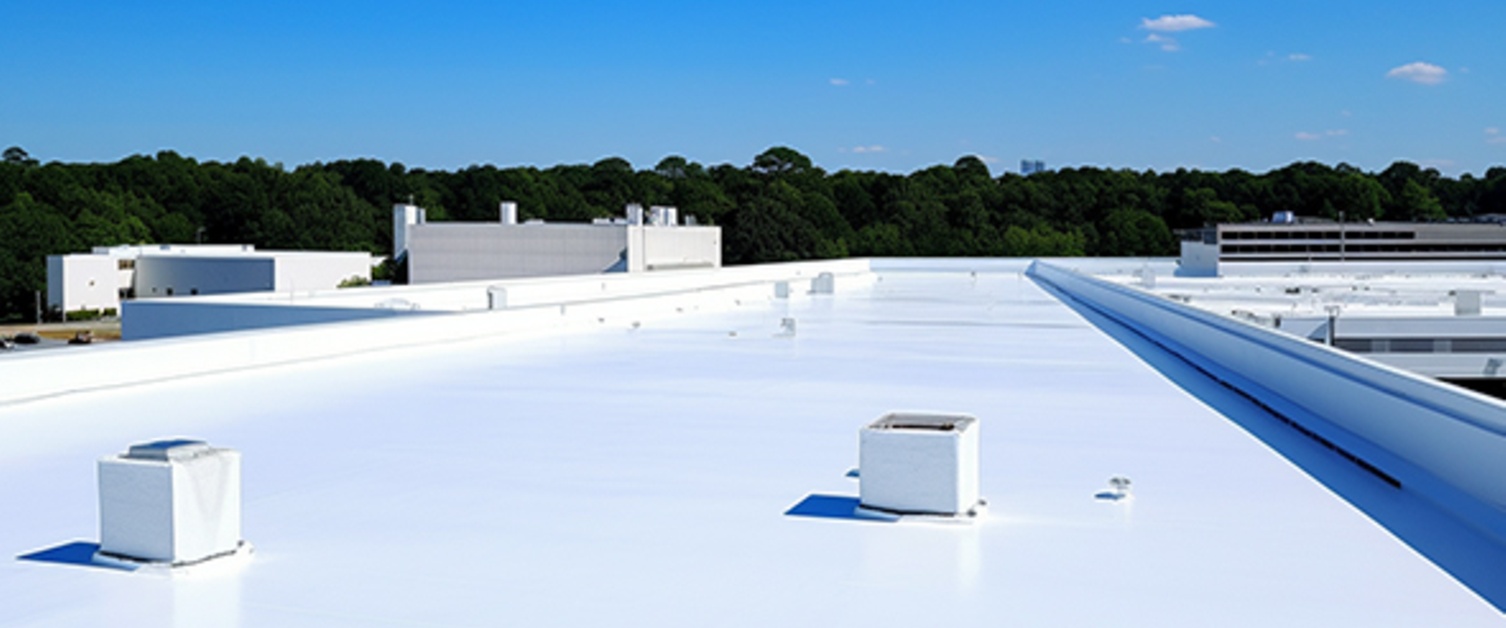
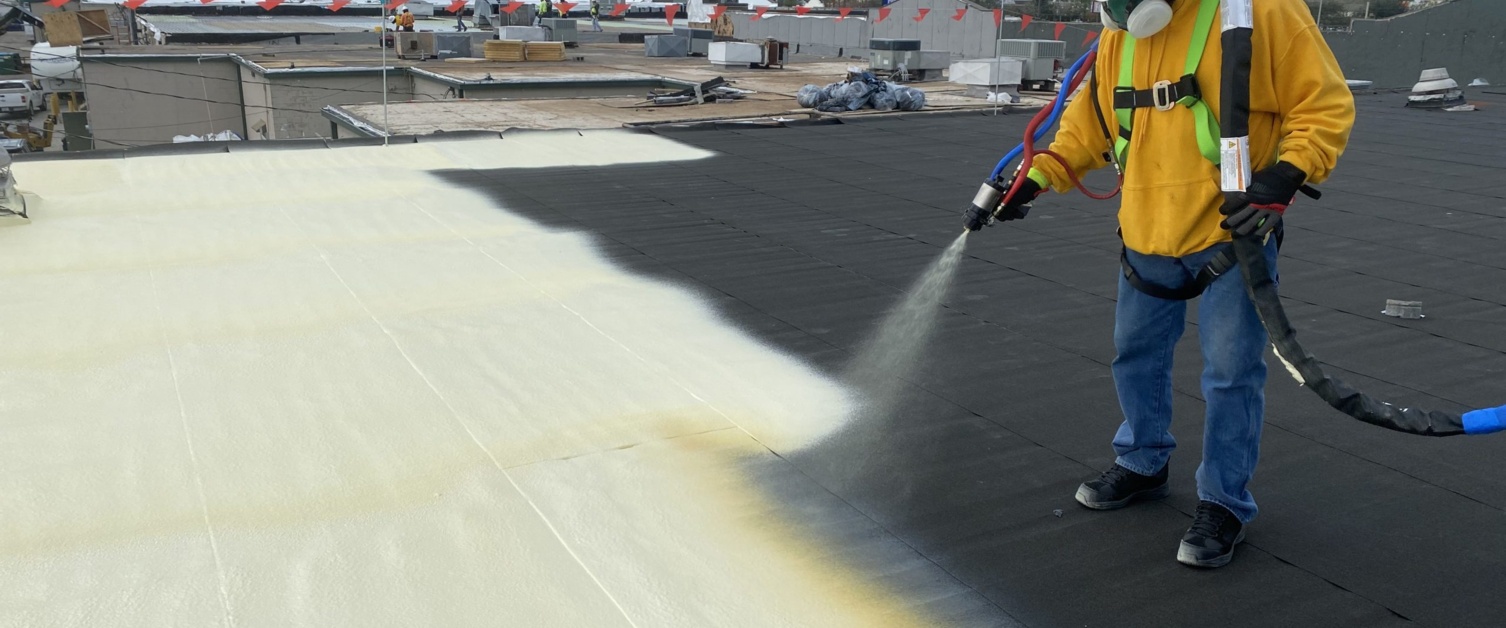
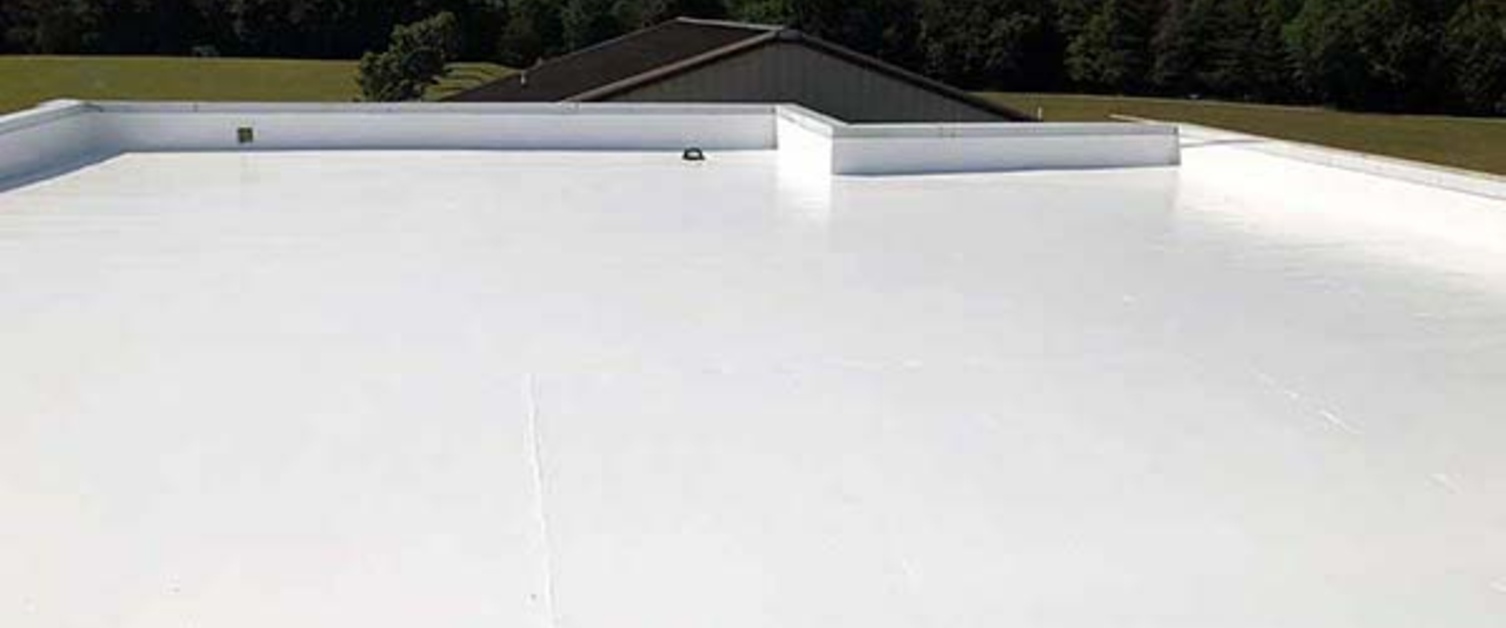
A liquid-applied membrane is a fluid waterproofing system applied by brush, roller, or spray that cures in place to form a seamless, monolithic waterproofing layer. Unlike sheet membranes (TPO, EPDM, PVC) that are joined at seams, liquid membranes have no joints, laps, or seam vulnerabilities. They are available in four primary chemistries — silicone, acrylic, polyurethane, and PMMA — each with distinct performance characteristics for different applications.