The best replacement system depends on your building's deck type, climate zone, use, energy goals, and budget. TPO is the most commonly specified for large commercial replacements — strong seams, Energy Star performance, and competitive cost. EPDM excels in cold climates and large footprints. PVC is specified for chemical or grease exposure. SPF delivers the best thermal performance with no-seam waterproofing. Apex evaluates all factors and recommends the optimal system — not just the one most convenient to install.
New commercial roof replacements installed by a manufacturer-certified contractor like Apex are eligible for NDL (No Dollar Limit) manufacturer warranties of 10, 15, or 20 years covering both materials and labor at no dollar cap. These warranties require certified installation, approved accessories, and a passing manufacturer final inspection — all of which Apex coordinates as part of standard project closeout. The warranty is registered in the building owner's name and transferred with the building at sale.
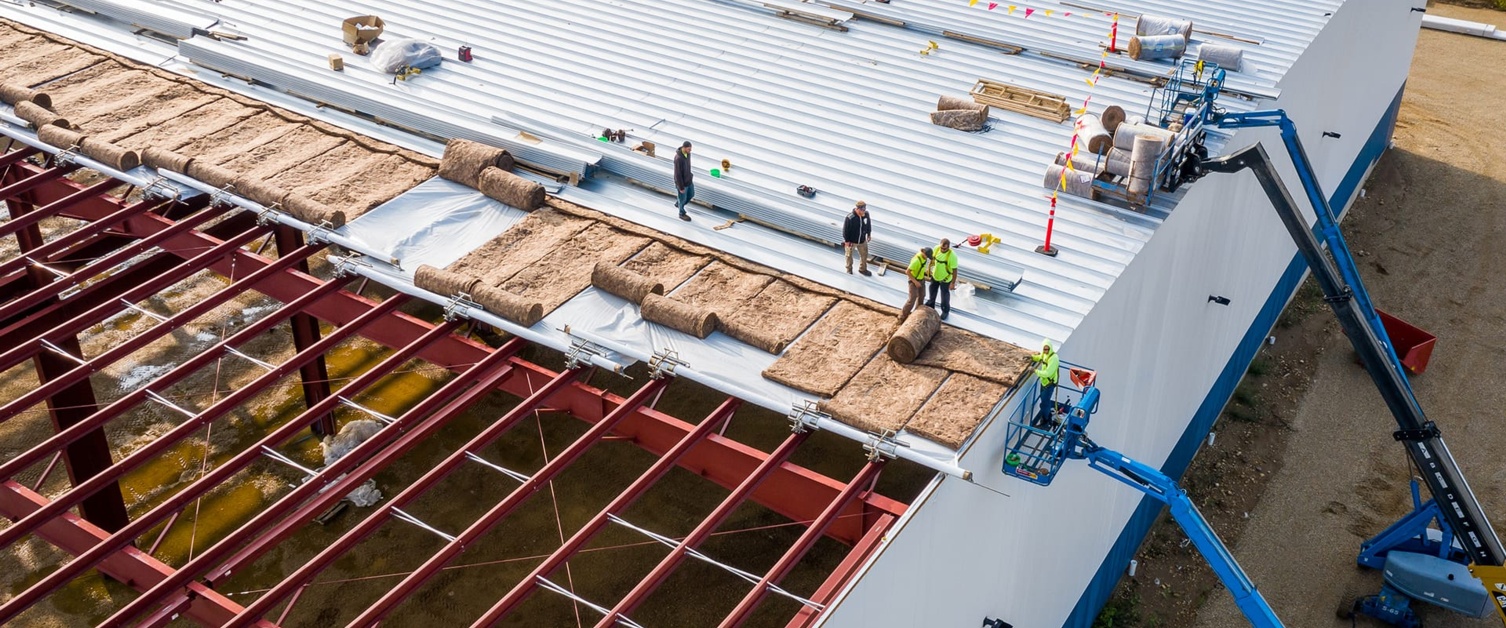
Yes — replacement is the best time to upgrade insulation. When the existing membrane is removed, adding insulation layers costs far less than addressing it independently. Energy codes often require R-value upgrades when replacing more than 50% of the roof area. Additional insulation typically pays back through energy savings within 3–7 years while improving building comfort. Apex evaluates current R-value compliance and recommends the optimal insulation upgrade as part of every replacement proposal.
In most cases, no significant disruption. Commercial roof replacement is performed entirely from the exterior — no interior access is required. Daily work areas are staged so that only one section of roof is open at a time, with temporary weather protection installed at day's end. Apex coordinates with building management on odor-sensitive areas (for adhered systems using solvent-based adhesives) and provides a daily schedule so operations can plan accordingly.
A 50,000 sq ft mechanically fastened TPO replacement typically takes 2–3 weekswith an experienced crew under normal conditions. Fully adhered systems take longer due to adhesive application. Occupied buildings requiring phased installation extend the schedule. Apex provides a detailed project schedule during the proposal phase and coordinates with building operations to minimize disruption — temporary weather protection is maintained daily between work areas.
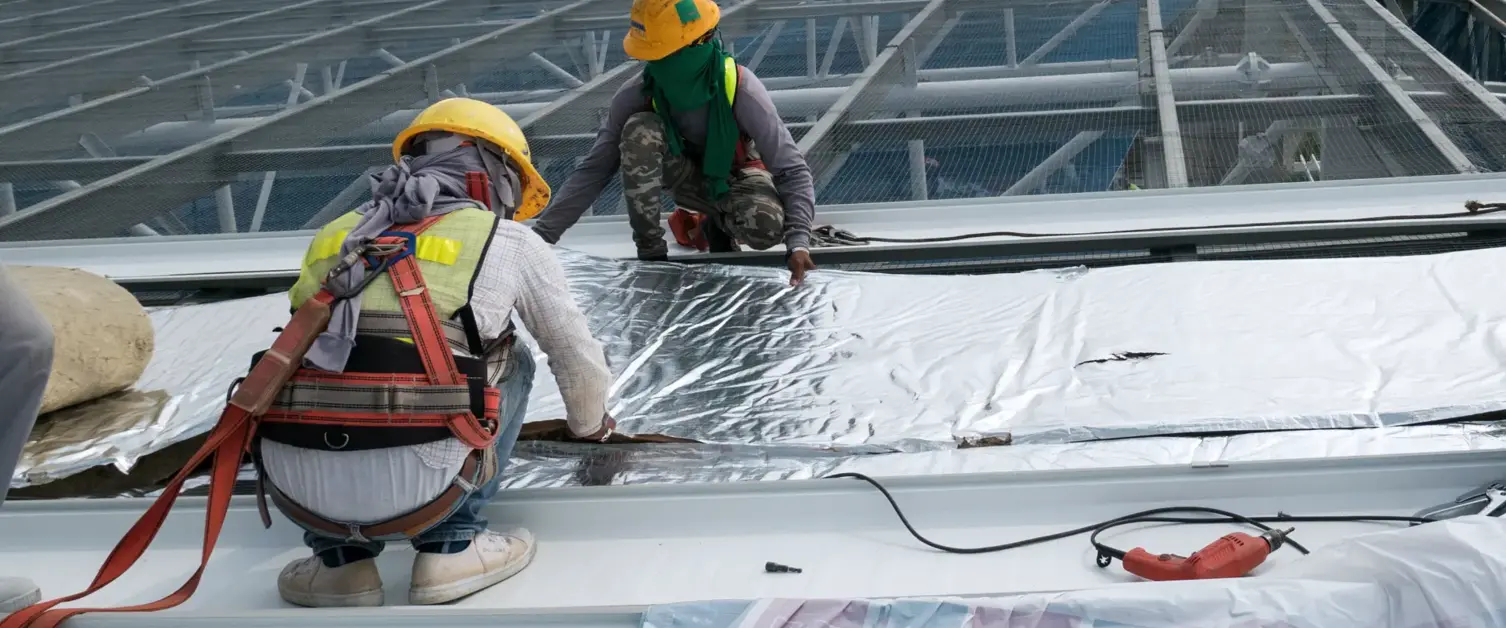
A full tear-off removes all existing membrane and insulation, giving full deck access, wet insulation removal, and eligibility for maximum NDL warranty coverage. A recover installs new membrane over the existing system — lower cost and faster, but wet insulation stays in place, deck conditions remain unknown, and warranty coverage is typically reduced. Most codes allow only one recover before a full tear-off is required. Apex recommends the right approach based on infrared scan results and condition assessment.
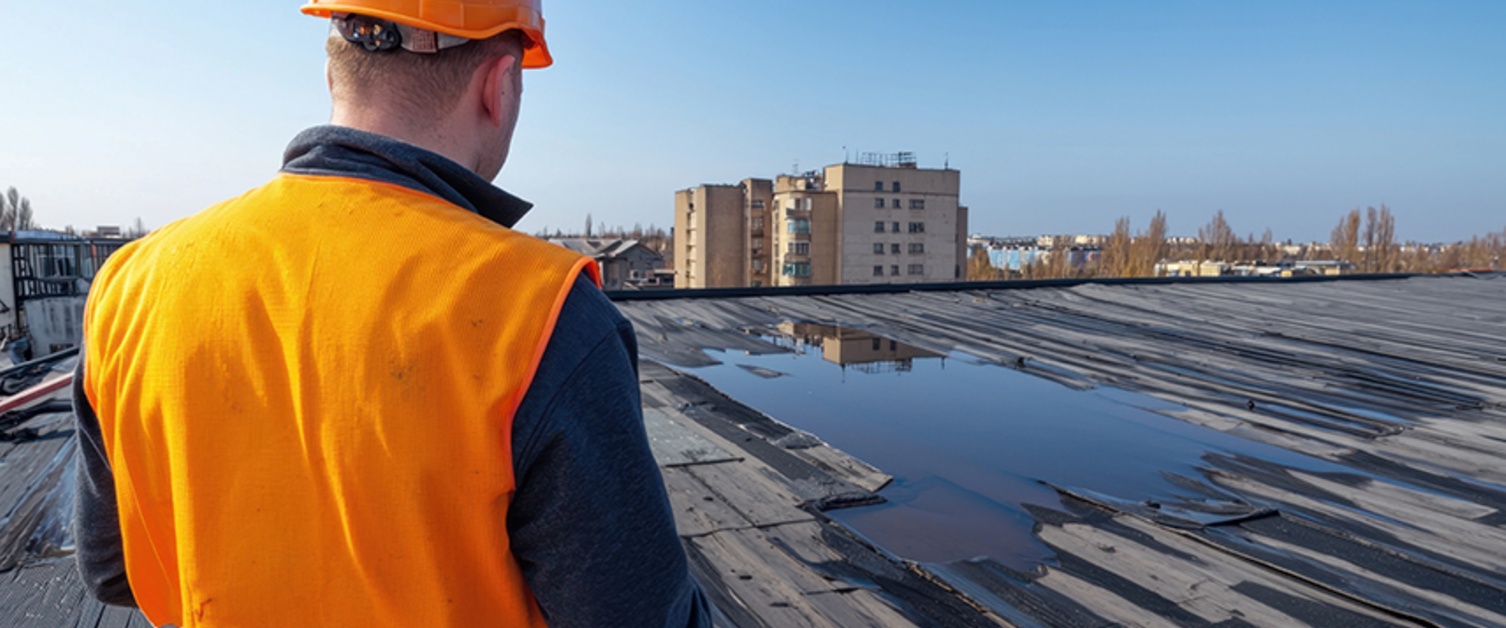
Replacement is typically the right decision when: the membrane is 20+ years old; infrared scanning shows more than 25% wet insulation; leaks are recurring in new locations after multiple repairs; the membrane has widespread shrinkage, cracking, or disbonding; or projected 5-year repair costs exceed 30% of replacement cost. Apex provides an honest infrared-based assessment — we won't recommend replacement when restoration or repair is the right answer.
Commercial roof replacement typically costs $6.00–$16.00 per square foot installed, including tear-off and disposal ($1–$3/sq ft), new insulation ($1.50–$3.50/sq ft), and the membrane system. A 50,000 sq ft warehouse replacement commonly ranges from $350,000–$750,000 depending on system selection and existing conditions. Apex provides detailed take-off-based pricing — not rule-of-thumb estimates — so proposals reflect actual field conditions.