Yes. Apex provides LEED v4 documentation support for relevant credits including Energy & Atmosphere (EA) credits from Energy Star-qualified roofing membranes, Sustainable Sites (SS) credits from heat island reduction with white reflective roofs, and Materials & Resources (MR) credits from recyclable membrane products. We provide the product certifications, SRI data, and reflectance values required for LEED submittal in the format required by the project's LEED administrator.
Yes. Apex regularly delivers new construction roofing on projects ranging from 20,000 to 500,000+ square feet — including distribution centers, manufacturing facilities, retail centers, healthcare campuses, and mixed-use developments nationwide. We self-perform all work with our certified crews, provide dedicated project management, and have the capacity to meet accelerated construction schedules with phased installation planning.
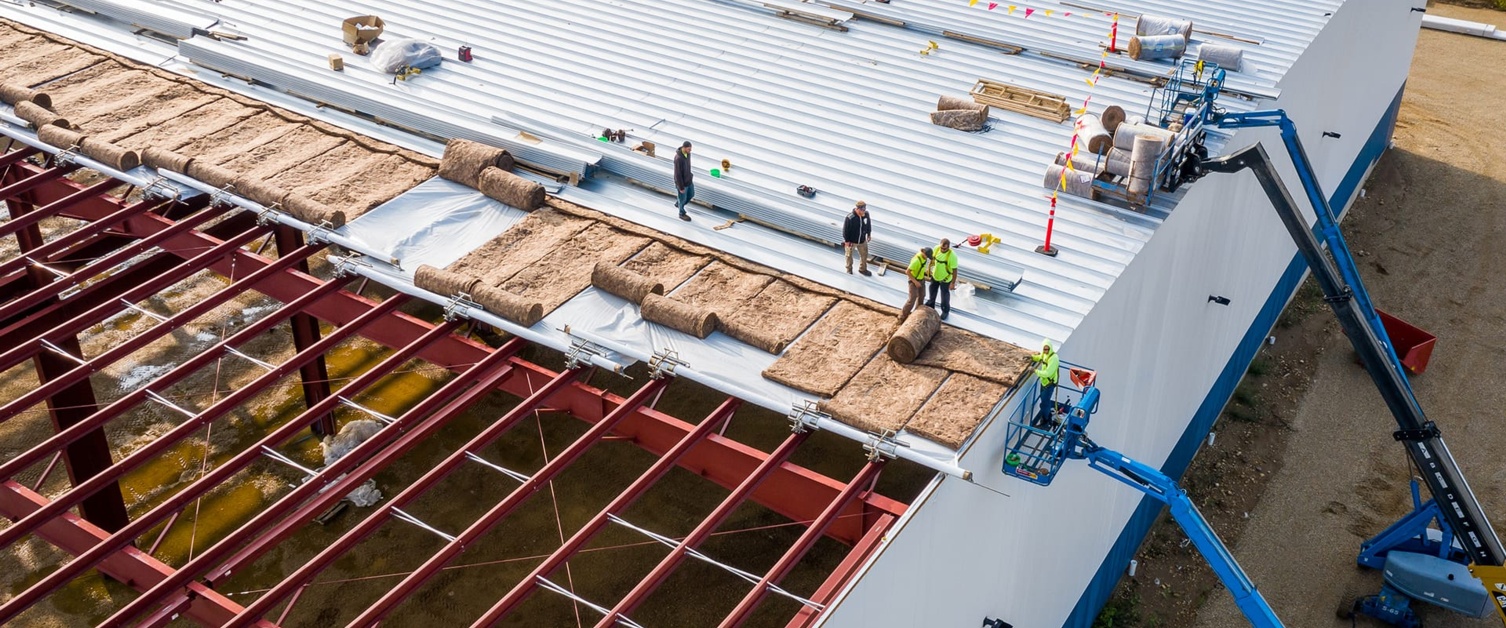
The most common specification is polyisocyanurate (polyiso) board, installed in two layers with staggered joints — providing R-5.5 to R-6.5 per inch. For maximum thermal performance, spray polyurethane foam provides R-6.5 to R-7.0 per inch as an integrated insulation and waterproofing system. For moisture-sensitive assemblies, XPS (R-5.0/inch) is specified. The required R-value is determined by climate zone and occupancy under ASHRAE 90.1 or the applicable energy code.
New commercial roofing installed by a manufacturer-certified contractor is eligible for NDL (No Dollar Limit) manufacturer warranties of 10, 15, or 20 years covering both materials and labor. Some premium systems offer 25-year coverage. These warranties require certified installation, approved accessories, and a passing manufacturer inspection at project completion. Apex handles all warranty registration, inspection coordination, and closeout documentation as part of every new construction project.
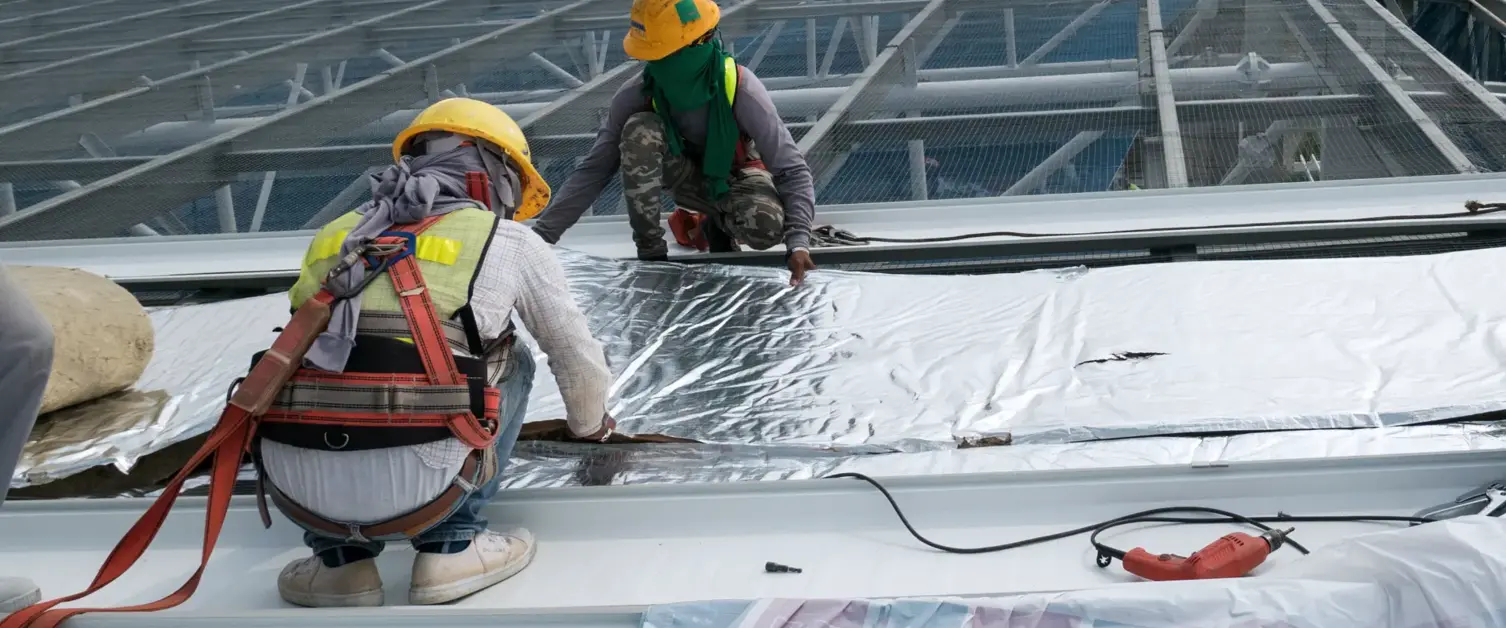
Steel deck is compatible with mechanically fastened TPO, EPDM, and PVC — the most common installation method — using screws and plates that secure insulation and membrane directly to the deck ribs. Fully adhered systems can also be installed over steel deck with an appropriate insulation board substrate. Spray polyurethane foam bonds directly to primed steel deck without fasteners, and liquid-applied membranes are installed over steel deck with compatible primers.
Yes — this is a core part of our new construction service. Apex provides complete submittal packages including product data, test reports, shop drawings, wind uplift calculations, energy compliance documentation, and warranty samples. We respond to architect RFIs, attend pre-construction meetings, and coordinate with the structural engineer on deck acceptance. Engaging Apex early in design reduces specification errors and change orders at construction.
The best system depends on four factors: deck type (steel favors mechanically fastened TPO or EPDM; concrete favors adhered or liquid-applied), building use (food service or chemical → PVC; energy-intensive → SPF or TPO), climate zone (cold → EPDM; high-UV warm → silicone LAM or white TPO), and owner priorities (cost-first → EPDM or TPO; performance-first → PVC KEE, SPF, or PMMA LAM). Apex provides design assist to specify the right system for each project.
New construction commercial roofing typically costs $5.00–$14.00 per square foot installed, depending on system type, insulation R-value, roof complexity, and geographic location. Mechanically fastened TPO or EPDM on a simple steel deck building is at the lower end. Fully adhered PVC or liquid-applied systems on complex roofs are at the higher end. Insulation alone typically adds $1.50–$3.50 per square foot depending on the required R-value and insulation type.