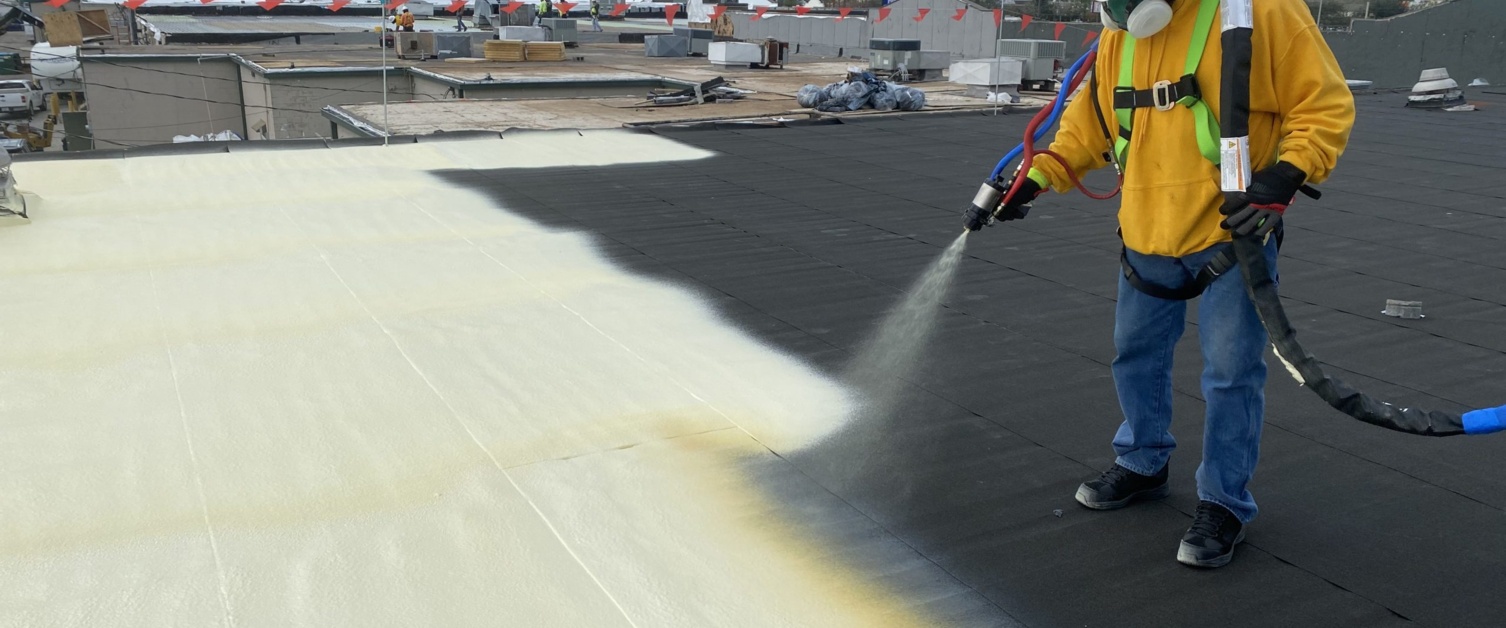
For commercial roofing applications, closed-cell SPF is always specified. Closed-cell foam has a dense, rigid structure with sealed cells that provide structural strength, moisture resistance, and the R-6.5+ per inch thermal performance. Open-cell foam is soft, flexible, and absorbent — characteristics that make it unsuitable for exterior roofing exposure. Apex exclusively installs commercial-grade closed-cell SPF for all roofing applications.
SPF is the strongest candidate when one or more of these conditions apply: the existing roof is aging but structurally sound; the building is under-insulated with high energy costs; there are chronic ponding or drainage problems; the roof has many penetrations or irregular geometry; or the owner wants to avoid the cost and disruption of tear-off. A free assessment by Apex can determine in detail whether your facility is a good SPF candidate.
Yes — and this is one of SPF's most unique advantages over every other roofing system. Because foam is applied at variable thickness, additional material can be built up in low spots and drainage-problem areas to re-slope the roof surface toward drains or scuppers. This permanently corrects ponding water without structural modifications to the deck — a problem that no membrane system can address without costly supplemental tapered insulation.
Closed-cell spray polyurethane foam delivers R-6.5 to R-7.0 per inch — the highest thermal resistance of any commercially available roofing insulation material. At a typical 2-inch application, SPF delivers approximately R-13 to R-14. At 3 inches, approximately R-19 to R-21. Unlike polyiso board, whose R-value degrades in cold temperatures, SPF maintains its rated performance across all temperature ranges.
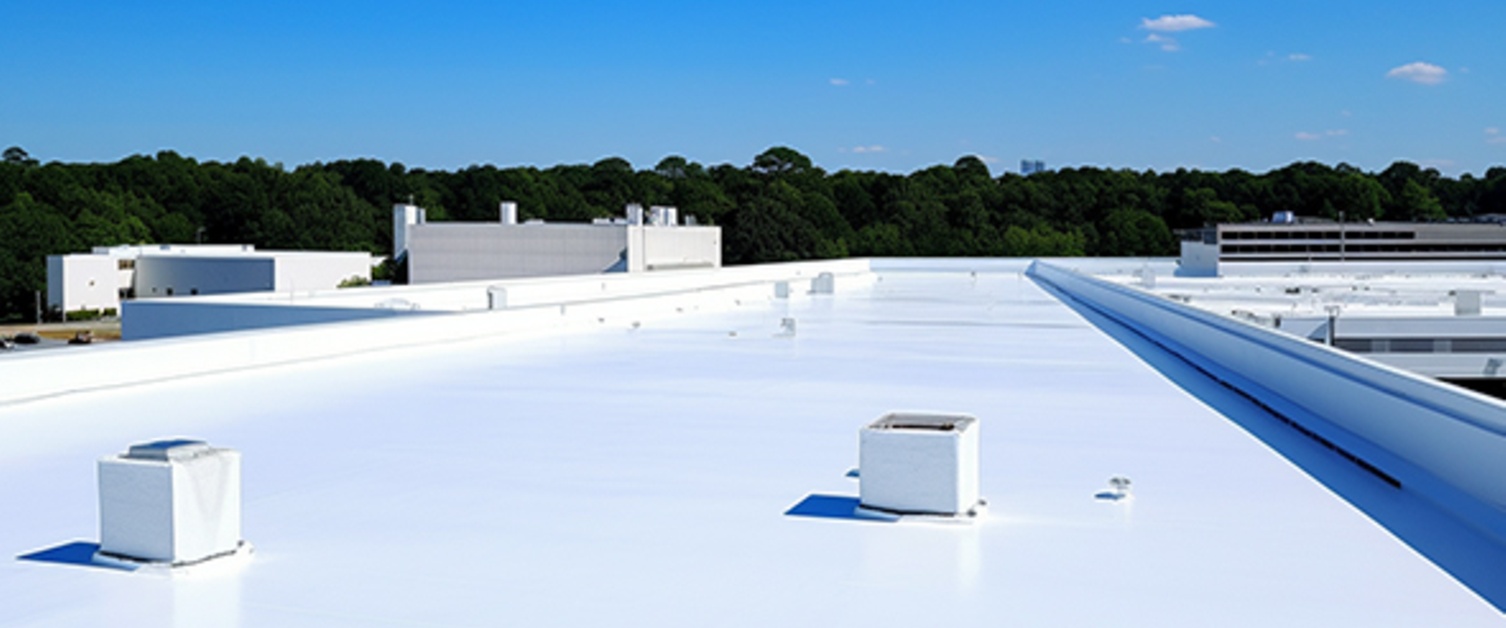
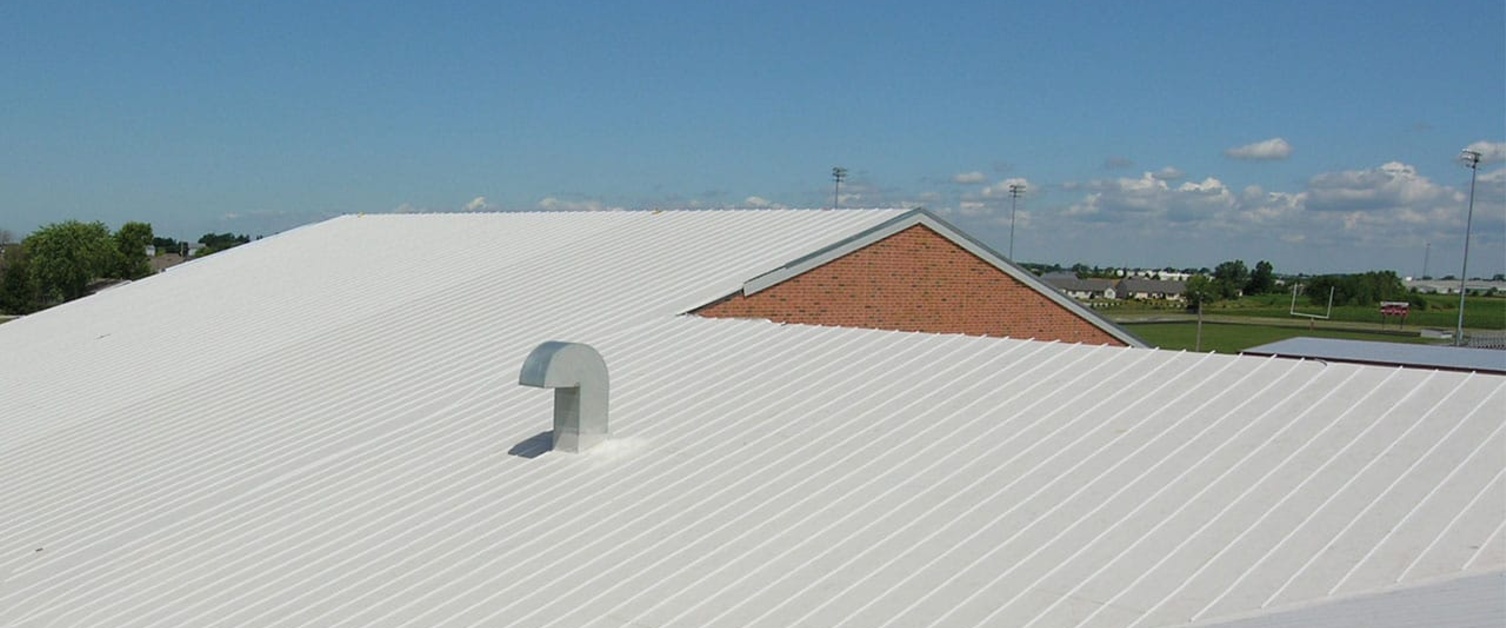
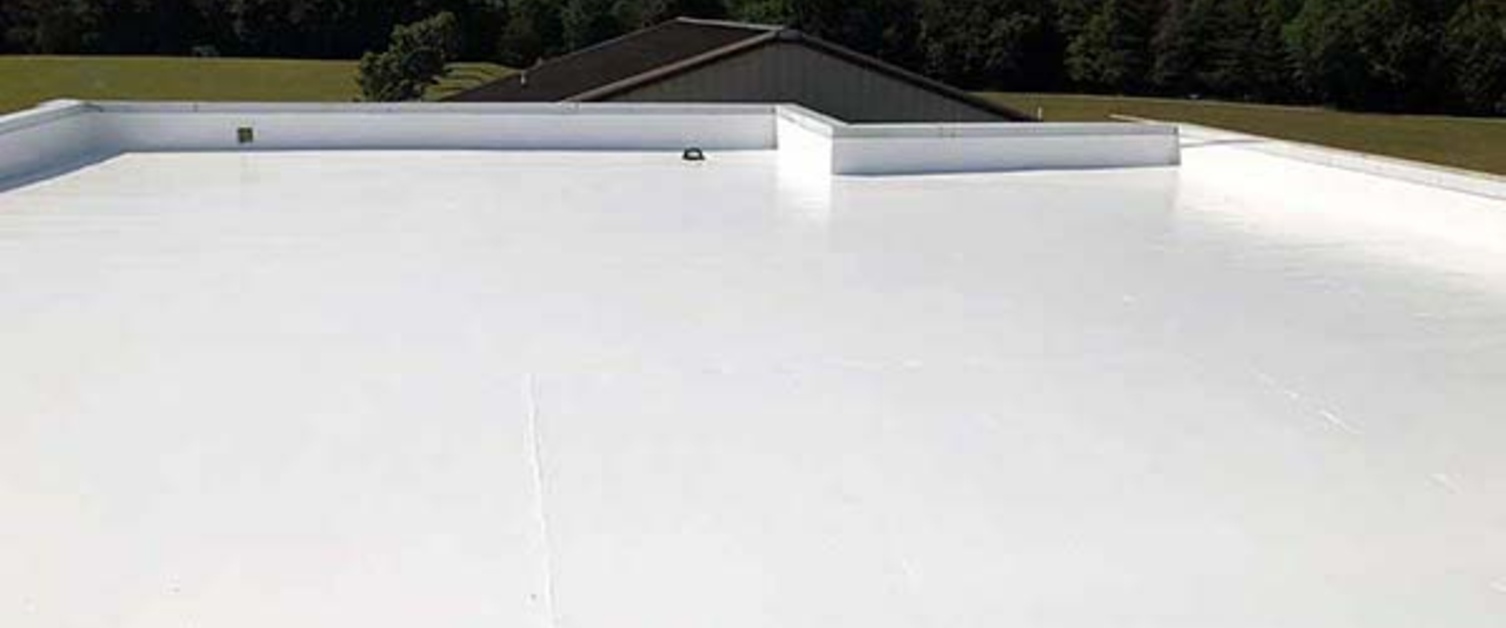
Yes. White elastomeric topcoats applied over SPF meet Energy Star and CRRC cool roof standards for solar reflectance (≥ 0.80) and thermal emittance. This qualifies SPF systems for Energy Star recognition, utility rebates, and LEED v4 Energy & Atmosphere credits. Combined with SPF's industry-leading R-value, an SPF system delivers both reflective surface energy savings and insulative bulk thermal resistance — a dual benefit no other single roofing system provides.
Commercial SPF roofing typically costs $4.00–$9.00 per square foot installed, depending on foam thickness, topcoat type, substrate condition, and geographic location. When factoring in the elimination of tear-off costs, added insulation value (reducing energy costs), and the indefinitely renewable service life, SPF frequently delivers a lower total cost of ownership over 30+ years than any conventional membrane replacement alternative.
In most cases, no. SPF bonds directly to metal, concrete, built-up roofing, modified bitumen, and existing single-ply membranes as long as the substrate is structurally sound and dry. Avoiding tear-off eliminates $1.00–$3.00+ per square foot in removal and disposal costs on large commercial projects. Apex performs moisture scanning and a condition assessment to confirm recover eligibility before every project.
A spray foam roof can last indefinitely with proper maintenance. The closed-cell foam substrate does not degrade under normal conditions — it is the elastomeric topcoat that weathers over time. When the topcoat wears (typically every 10–15 years), a fresh recoat restores full UV protection and renews the warranty. This makes SPF the only commercial roofing system that can be perpetually renewedwithout ever removing the existing material.