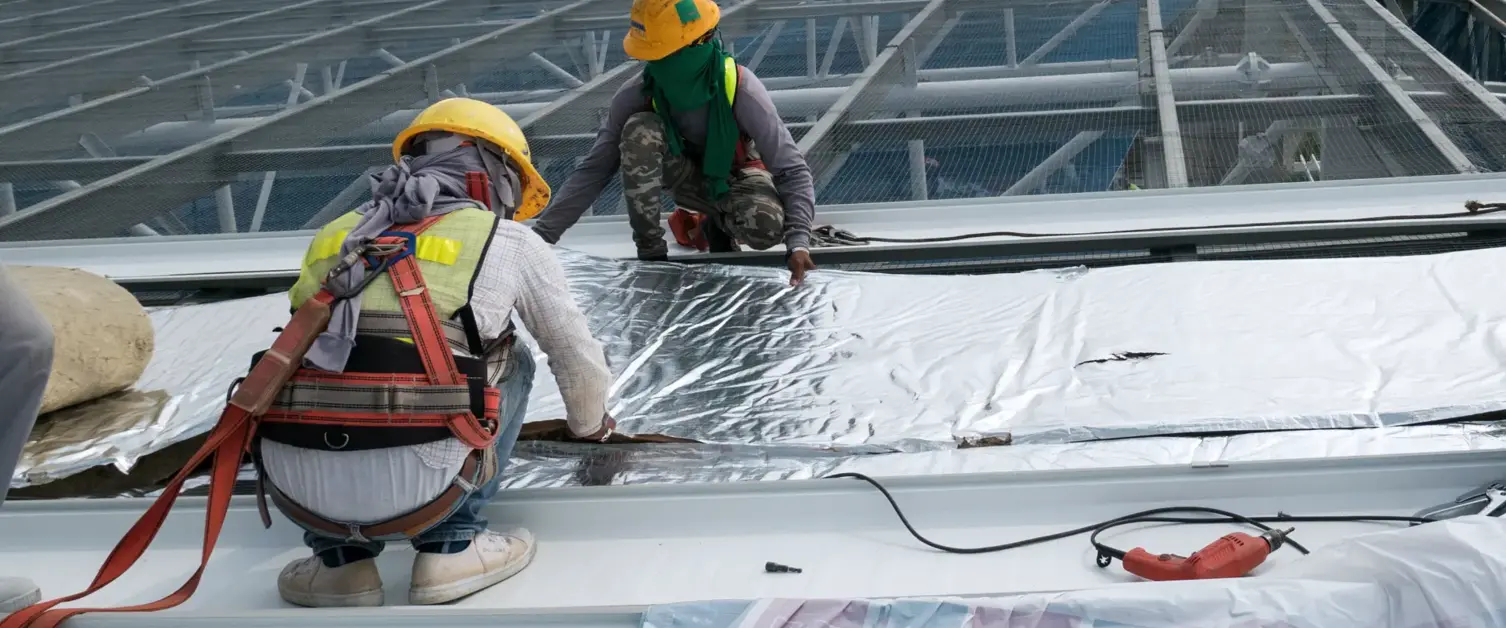
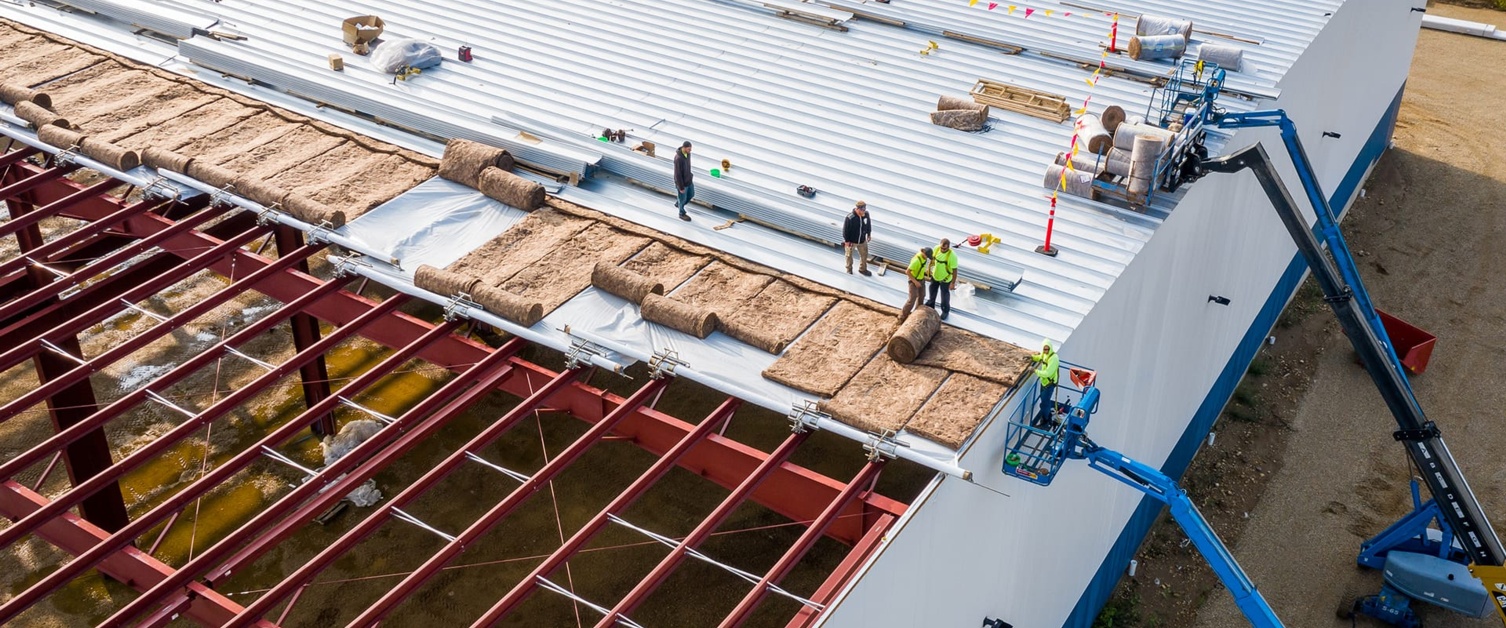
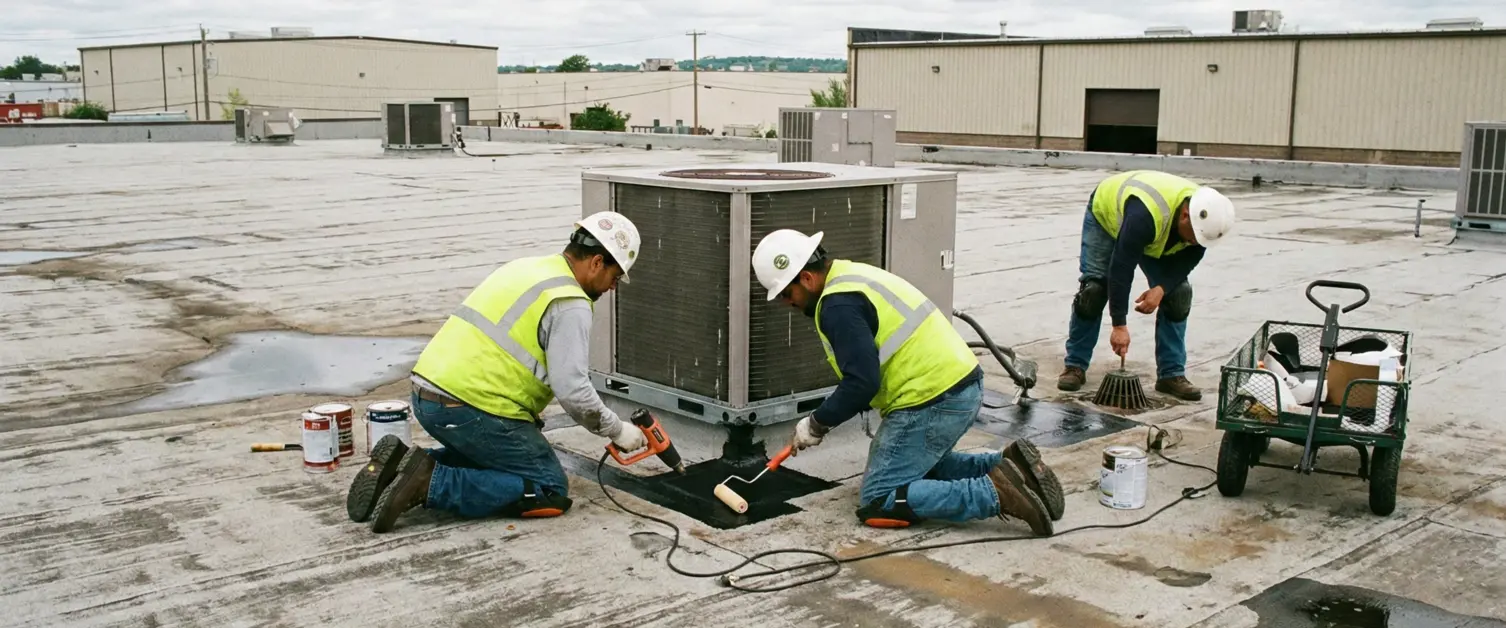
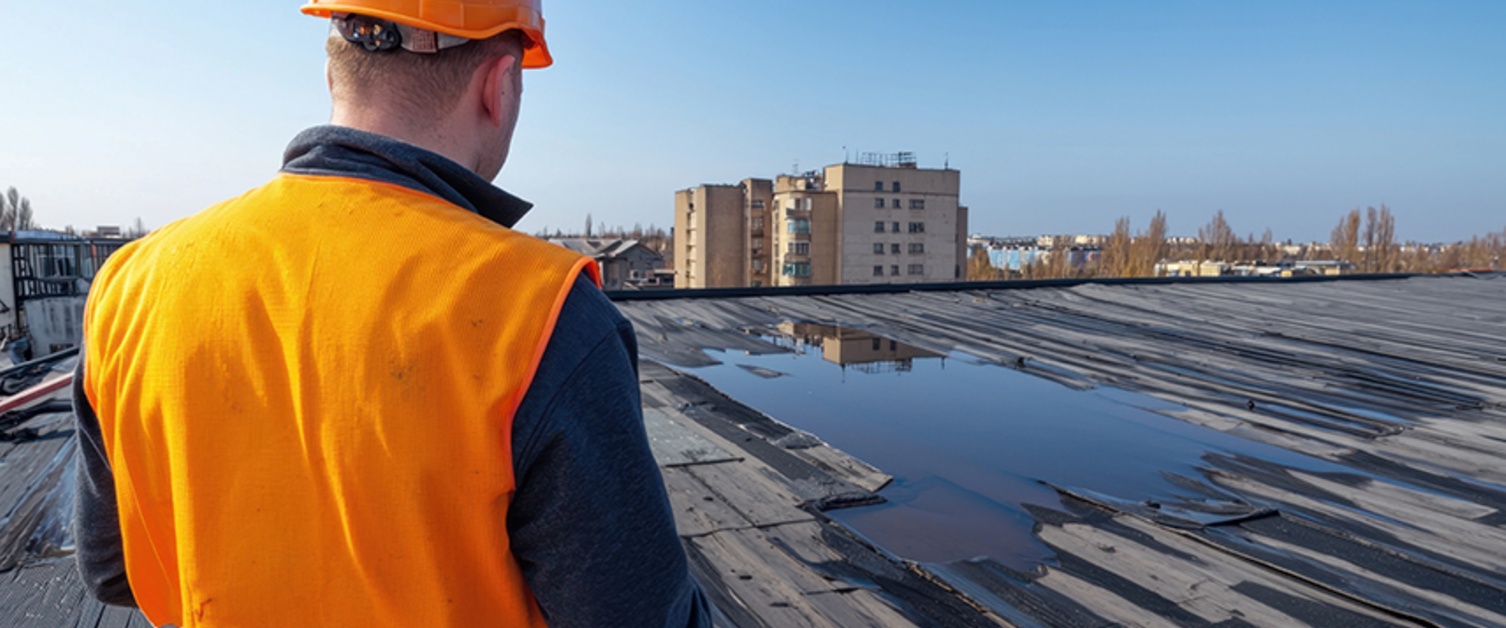
Yes. Apex maintains all major commercial roofing systems — TPO, EPDM, PVC, spray polyurethane foam, liquid-applied membranes, modified bitumen, built-up roofing, and metal roofing. Each system requires system-specific sealants and maintenance techniques — EPDM seam maintenance differs from TPO weld inspection; SPF topcoat assessment differs from single-ply seam checks. Our crews are trained across all systems to deliver the correct maintenance scope for whatever is on your roof.
If a condition beyond the maintenance program scope is discovered — significant seam failure, widespread sealant breakdown, hail damage, or any issue requiring a formal repair scope — the crew documents it with photos and a written description, and Apex provides a separate repair proposal before performing any additional work. Program enrollees receive priority scheduling and preferred pricing on out-of-scope repairs. No additional work is performed without your authorization, and no surprise invoices are issued.
Yes — significantly. Research by the National Roofing Contractors Association shows that regularly maintained commercial roofs last 50–100% longer than unattended roofs. The mechanism is straightforward: a seam separation caught during a maintenance visit and reinforced for $150 is the same deficiency that costs $3,000 to repair after it has opened and allowed water infiltration. Regular maintenance doesn't just find problems — it prevents most of them from developing through proactive sealant renewal, drain clearing, and early-stage reinforcement.
Yes — the portfolio program is purpose-built for multi-site operators. Apex coordinates maintenance across your full building portfolio through a single point of contact, with standardized RES scoring across all sites, consolidated annual reporting, portfolio capital planning data, and volume-based pricing. We support purchase order structures, vendor portals, and approval workflows for both scheduled maintenance and out-of-scope repair work. National retail chains, industrial REITs, property management companies, and multi-plant operators regularly use the Apex portfolio program.
The Roof Evaluation Score is Apex's proprietary 1–5 condition rating applied after every maintenance visit. RES 1 = excellent condition; RES 5 = critical, requiring immediate major intervention. The score synthesizes membrane condition, seam integrity, drainage performance, flashing condition, and moisture indicators into a single trackable number. Year-over-year RES trends support capital planning decisions and provide objective documentation of roof condition history for property management and due diligence purposes.
Yes — for most manufacturer NDL warranties. The majority of No Dollar Limit warranty agreements require documented biannual inspection and maintenance as conditions of coverage. If a warranty-eligible event occurs and you cannot produce maintenance documentation, the manufacturer can — and frequently does — deny the claim. Apex's program produces the documentation required by all major roofing manufacturers, protecting your warranty coverage and giving you a defensible maintenance record.
Annual program costs typically range from $1,200–$2,500 for small facilities up to 20,000 sq ft; $2,000–$4,000 for mid-size facilities up to 50,000 sq ft; and $3,500–$7,000 for large facilities up to 150,000 sq ft. Multi-site portfolios receive volume pricing. Programs include two annual visits, full task scope, minor repair allowance, and written RES reports. The cost is consistently less than a single unplanned repair event — and far less than a voided warranty.
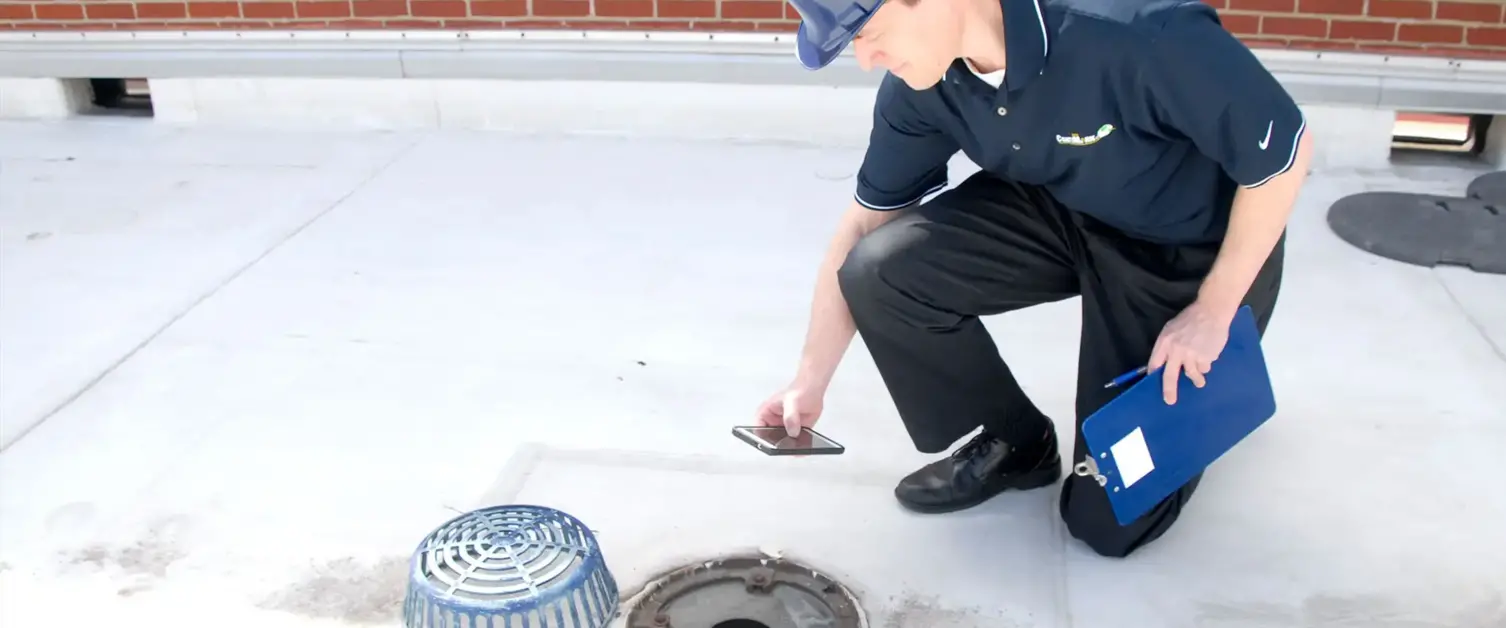
Every Apex maintenance visit includes: full rooftop debris removal (including behind HVAC units and penetrations); drain, scupper, and downspout clearing; seam and lap inspection with reinforcement where needed; sealant inspection and reapplicationat all flashings, penetrations, and curbs; minor proactive repairs within program scope; and a written condition report with Roof Evaluation Score documenting every finding and action.