In many cases, metal roof restoration may qualify as a repair and maintenance expense rather than a capital expenditure under IRS regulations — allowing immediate deduction rather than multi-year depreciation. This is a significant financial advantage over full replacement, which is almost always a capital expense. Tax treatment depends on your specific situation — always consult a qualified tax advisor to confirm applicability.
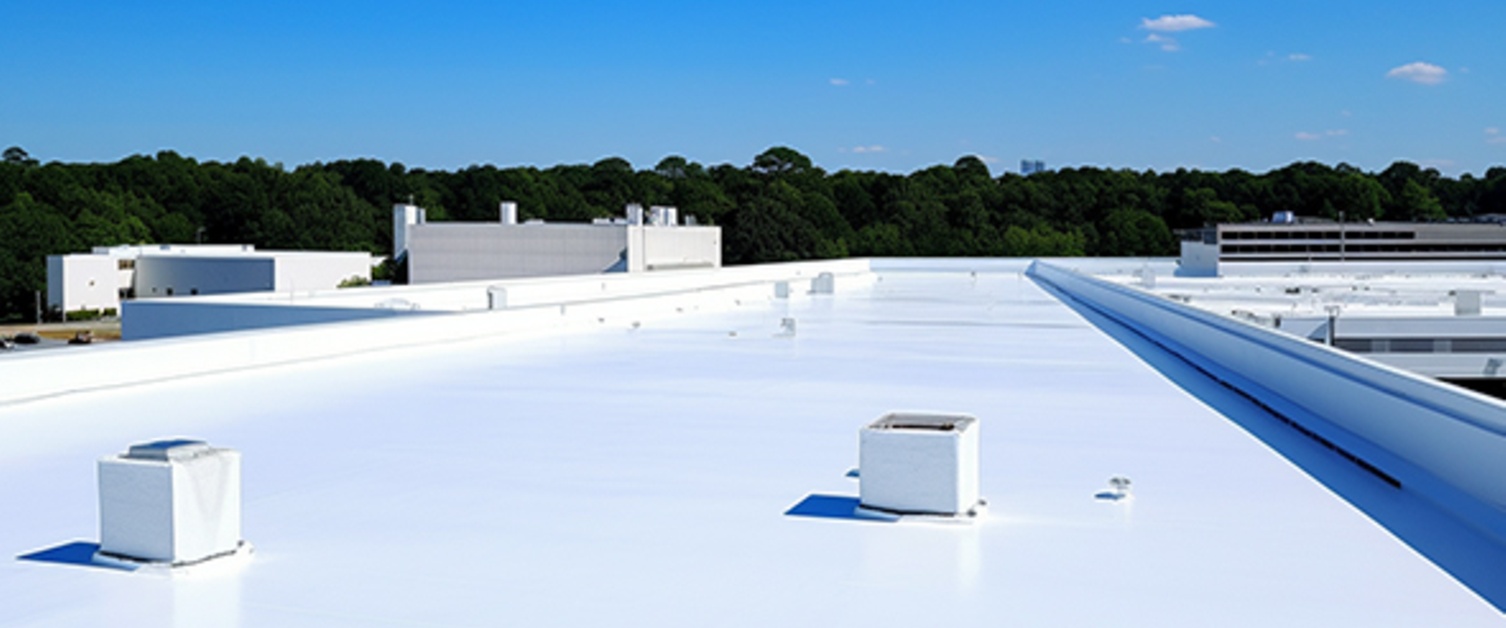
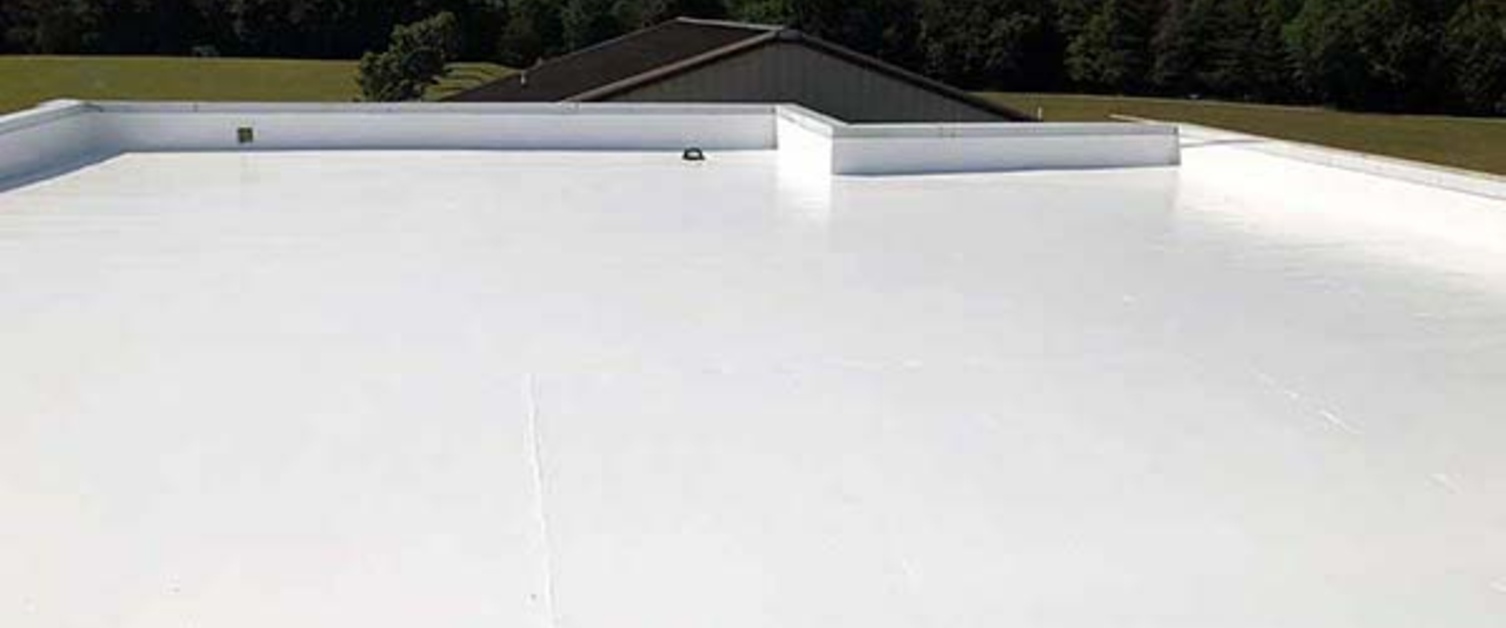
Yes. White elastomeric coating systems meet Energy Star and CRRC cool roof standards for solar reflectance (≥ 0.80) and thermal emittance. Original dark or faded metal panels can reach surface temperatures of 150–180°F in direct sun. A white restoration coating reduces that to 70–100°F — cutting rooftop heat gain by 50–80°F and reducing building cooling costs, qualifying for Energy Star recognition and utility rebates.
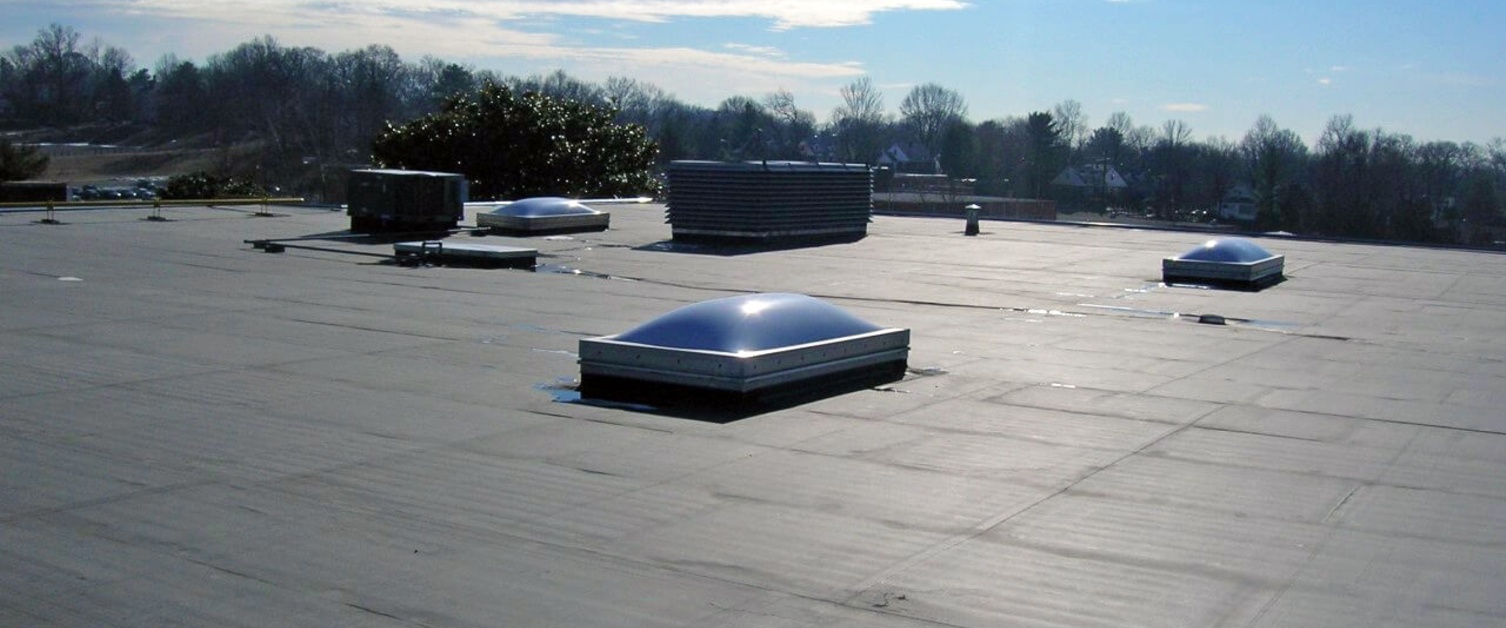
Key warning signs include: active leaks at fasteners, seams, or transitions; visible rust or corrosion on panels; backed-out or missing fasteners; chalking, fading, or peeling original coating; separated panel laps or ridge caps; and excessive interior heat during summer. Any one of these signals warrants a professional assessment to determine whether restoration or panel replacement is the right approach.
Metal roof restoration typically costs $2.00–$6.00 per square foot installed — roughly 25%–50% of the cost of full metal roof replacement ($8.00–$20.00+ per sq ft). On a 50,000 sq ft facility, restoration can save $300,000–$700,000 compared to replacement while delivering a warranted waterproofing system. Actual pricing depends on existing roof condition, coating system selected, and geographic location.
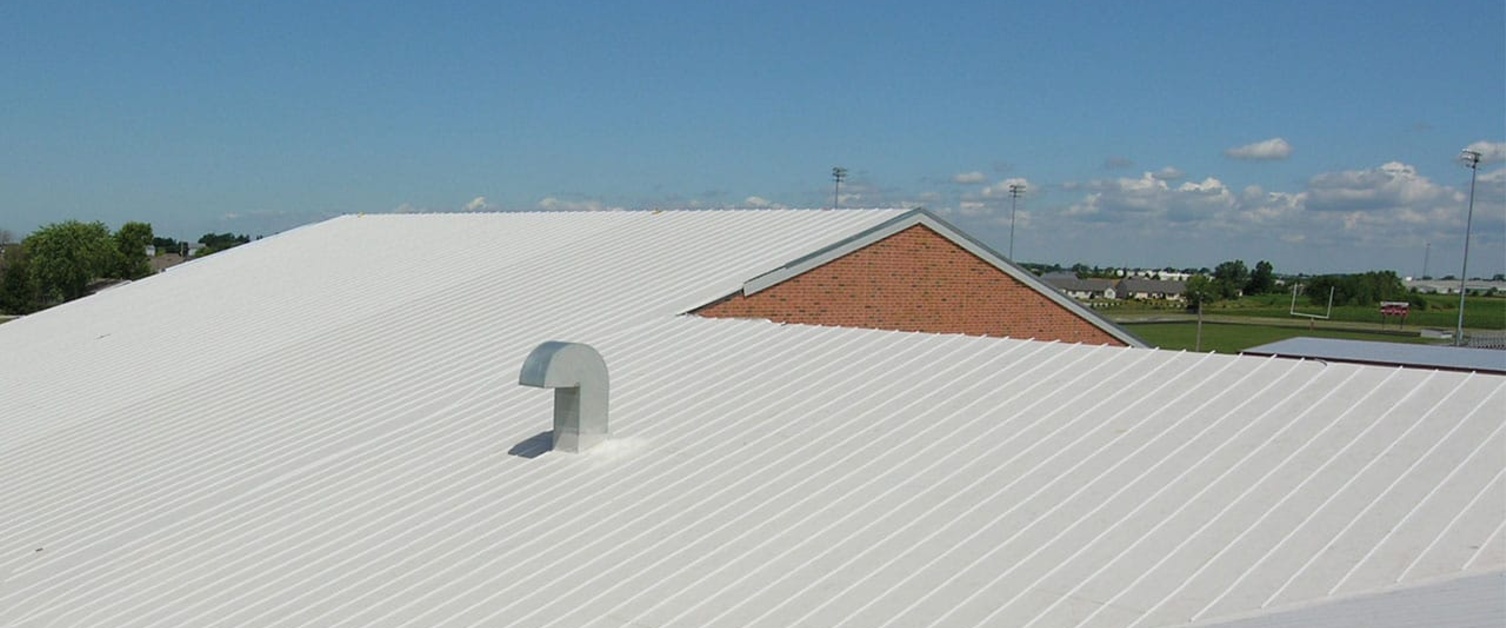
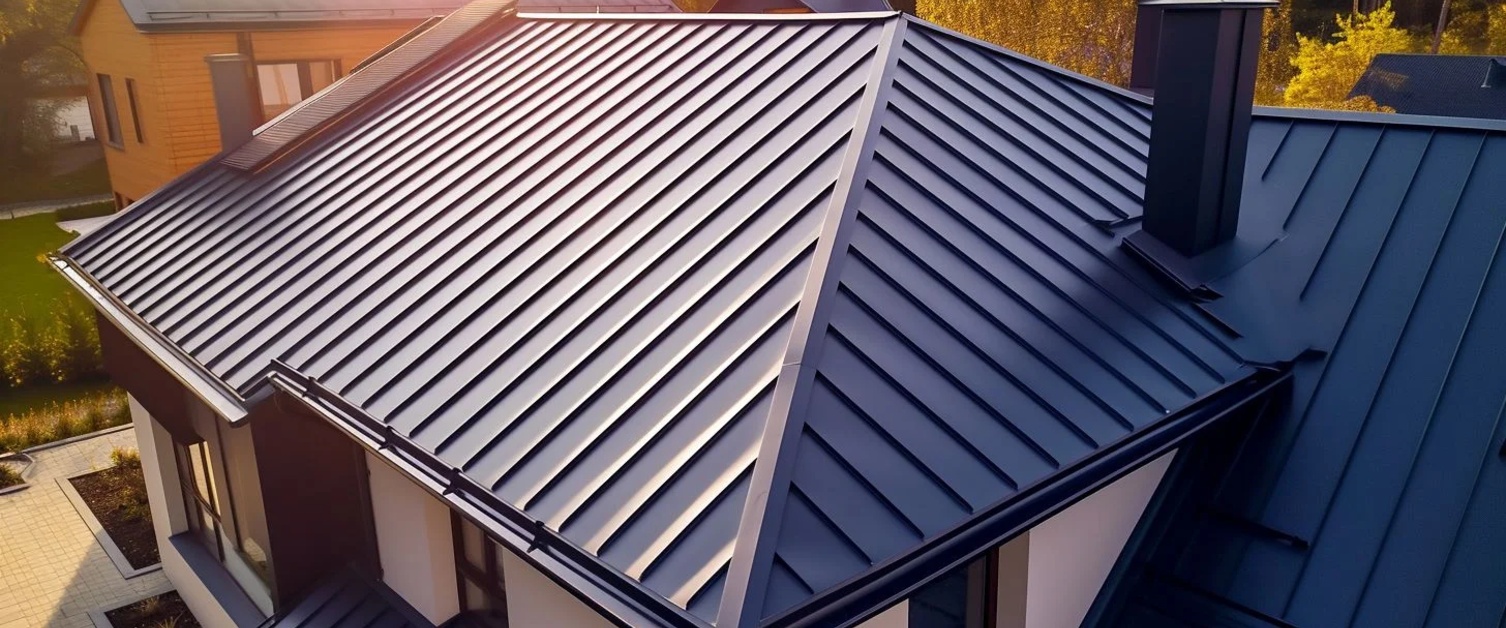
Standing seam roofs have concealed fasteners and raised seams — restoration focuses on seam transitions, ridge caps, and penetration flashings. Exposed fastener systems have thousands of surface fastener penetrations that are the primary leak source as washers degrade. Exposed fastener restoration requires systematic fastener replacement, individual sealing, and fabric reinforcement — more labor-intensive, but the result is a completely waterproofed system.
Most commercial metal roof types are restorable, including standing seam, exposed fastener (R-panel/PBR), corrugated metal, Galvalume, galvanized steel, aluminum, and insulated metal panel systems. The specific prep process and coating system differ by roof type. Through-rust — where corrosion has penetrated entirely through the metal panel — requires panel replacement before coating, not restoration alone.
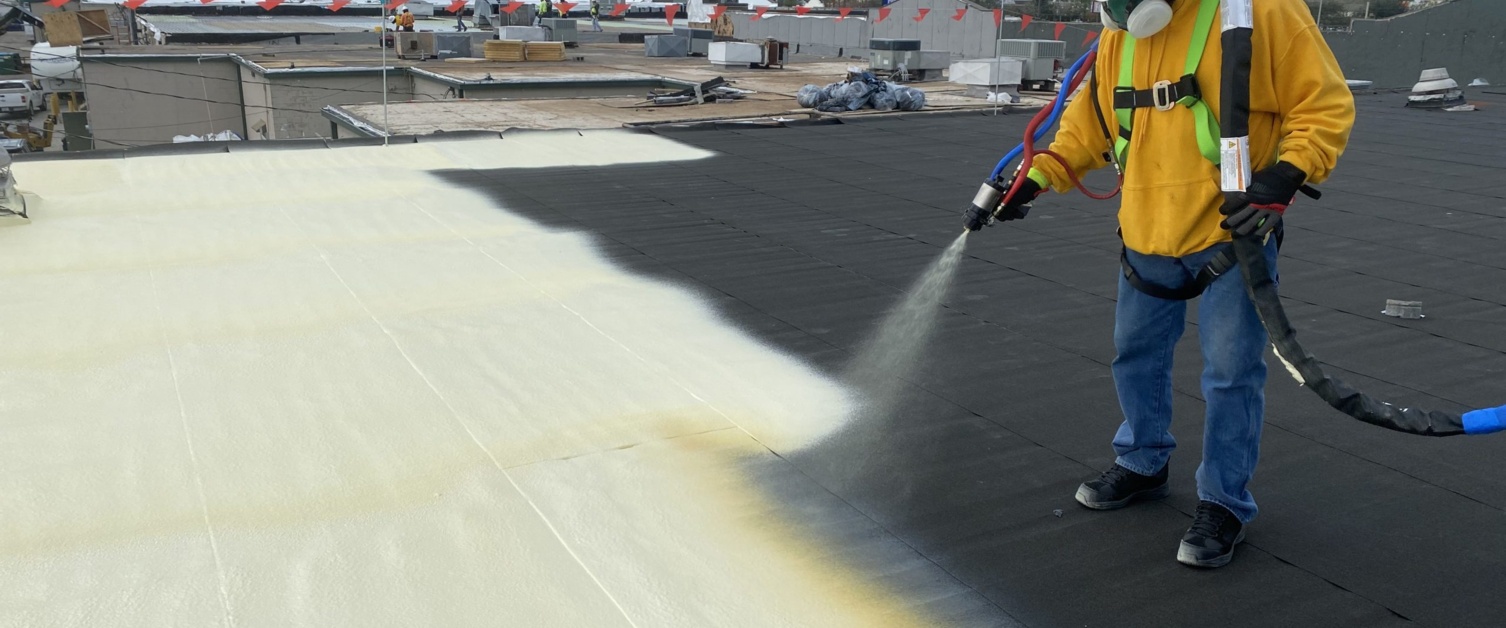
Yes — when restoration is performed correctly. This means replacing failed fasteners, reinforcing all seams and laps with embedded fabric, resealing penetration flashings, and treating all rust before coating. Simply applying coating over active leak points without mechanical repairs produces a temporary fix at best. Apex's process addresses every failure point systematically before any coating is applied.
A properly applied restoration coating system typically extends metal roof service life by 10 to 20 years per application. When the coating reaches end of service life, the system can be recoated to renew protection and warranty — without removing the existing material. As long as the metal substrate remains structurally sound, restoration is a perpetually renewable strategy.